Thursday, December 14, 2023

US Stocks Surge on Dovish Fed Signal, But Can the Rally Last?


The US stock market roared higher today, with all three major indices closing at fresh 2023 highs after the Federal Reserve hinted at a potential slowdown in its pace of interest rate hikes. The Dow Jones Industrial Average jumped 512 points, or 1.4%, to 37,090.24, the S&P 500 gained 64 points, or 1.37%, to 4,707.09, and the Nasdaq Composite climbed 205 points, or 1.38%, to 14,733.96.

The market's surge was driven by a dovish tilt in the Federal Reserve's latest policy statement. The central bank acknowledged that inflation remains a concern but also noted that "recent indicators suggest a moderation in the pace of price increases." This language was interpreted by investors as a signal that the Fed may be nearing the end of its current tightening cycle.

"The Fed's statement was definitely more dovish than expected," said Art Cashin, chief market strategist at UBS. "This has given the market a green light to rally."

Sectoral Performance

All major sectors of the market were in the green today, led by technology and consumer discretionary stocks. The Technology Select Sector SPDR ETF (XLK) jumped 2.4%, while the Consumer Discretionary Select Sector SPDR ETF (XLY) gained 1.8%.

Some of the biggest gainers of the day included Tesla (TSLA), which surged 10.5%, Apple (AAPL), which climbed 5.3%,and Amazon (AMZN), which rose 4.2%.

Is the Rally Sustainable?

While today's rally was impressive, it's important to remember that the market is still facing a number of headwinds,including rising interest rates, slowing economic growth, and geopolitical uncertainty.

"I wouldn't get too carried away with this rally," said David Rosenberg, chief economist at Gluskin Sheff. "The Fed may be slowing down its pace of rate hikes, but they're not done yet. And there are still a lot of risks out there."

It remains to be seen whether today's rally marks the start of a sustained bull market or just a temporary blip in a bear market. However, it is clear that the Federal Reserve's policy decisions will continue to play a major role in shaping the direction of the US stock market in the months and years to come.

Here are some of the key takeaways from today's market:

  • The US stock market surged on a dovish signal from the Federal Reserve.
  • All major sectors were in the green, led by technology and consumer discretionary stocks.
  • Some of the biggest gainers of the day included Tesla, Apple, and Amazon.
  • It is still too early to say whether the rally is sustainable.
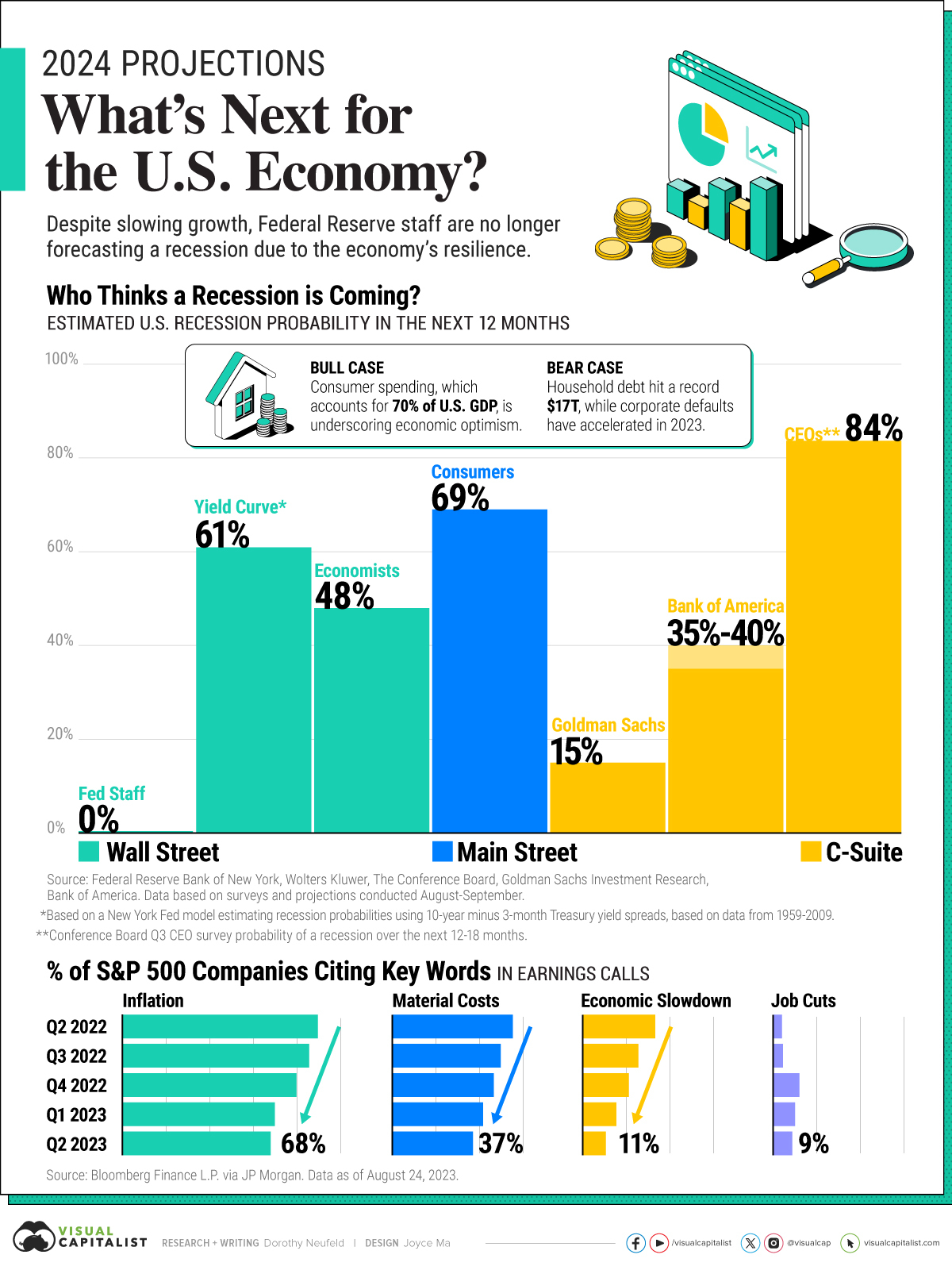

The Vibe Economy 2024 Predictions


Navigating the Vibe Economy: How Americans Feel About Their Finances

The "Vibe Economy" - an apt term for the current economic climate where feelings and anxieties dance alongside hard data. While GDP numbers might fluctuate, it's the emotional undercurrent that truly tells the story. So, how are Americans feeling about their personal finances right now? Let's dive into the vibes:

A Mixed Bag of Emotions:

  • Optimism with Caution: The post-pandemic recovery has instilled a cautious optimism in many. Jobs are available, savings are growing, and the fear of the unknown has receded. But whispers of inflation, rising interest rates, and a looming recession keep a lid on unbridled joy.
  • FOMO vs. JOMO: The digital deluge of luxury vacations, designer hauls, and seemingly effortless success can fuel the "fear of missing out" (FOMO). But a countervailing trend of "joy of missing out" (JOMO) is also brewing,with people prioritizing financial stability and experiences over material possessions.
  • Hustle and Grind: The American spirit of hard work and self-reliance is alive and well. Gig economy opportunities, side hustles, and upskilling are becoming the norm, with people actively seeking ways to supplement their income and weather potential storms.

The Vibe Shift:

  • From "Keeping Up" to "Living Well": The relentless pursuit of keeping up with the Joneses is fading, replaced by a focus on personal well-being and financial security. People are prioritizing experiences, relationships, and mental health over chasing the latest trends.
  • Community over Competition: There's a growing sense of community in the face of economic uncertainty.Financial advice is being shared openly, support networks are forming, and a collaborative spirit is emerging to navigate the challenges together.
  • Conscious Consumerism: Sustainability and ethical practices are gaining traction. People are making conscious choices about where they spend their money, supporting local businesses, and demanding transparency from corporations.

The Vibe Economy is a complex tapestry woven from hope, anxiety, resilience, and a newfound sense of purpose. It's a reminder that our financial well-being is not just about numbers, but also about our emotional relationship with money, our values, and the communities we belong to. So, while the economic future remains uncertain, one thing is clear: Americans are navigating this vibe shift with a mix of pragmatism, optimism, and a healthy dose of hustle.


Wednesday, December 13, 2023

US Markets Rally After FED Holding Rates Steady


The North American stock market experienced a significant surge today, driven by positive economic indicators and robust corporate earnings. Investor confidence was boosted, leading to widespread gains across various sectors. Notable contributors to the rally included strong job market reports and optimistic outlooks from key companies. Overall, the market demonstrated resilience and upward momentum, reflecting positive sentiment among investors.


Friday, December 8, 2023

Deciphering the Decision: Pros and Cons of The Bank of Canada Keeping Its Benchmark Interest Rate Steady at Five Percent


In the intricate dance of economic policies and monetary decisions, The Bank of Canada has recently opted to maintain its benchmark interest rate at five percent. As this decision ripples through various sectors of the economy, it's essential to examine the potential advantages and drawbacks. In this article, we'll explore the pros and cons of The Bank of Canada's choice to keep the interest rate steady.

Pros:

1. **Stability in Borrowing Costs:**

      One of the primary benefits of maintaining a steady interest rate is the stability it provides for borrowing costs. Businesses and consumers can plan their financial strategies with more confidence, knowing that interest rates won't experience sudden spikes or drops.

2. **Encouraging Investment:**

   A consistent interest rate can foster a favorable environment for investment. Businesses are more likely to make long-term investment decisions when they can anticipate the cost of capital over an extended period. This, in turn, can contribute to economic growth and job creation.

3. **Consumer Spending Confidence:**

   When interest rates remain steady, consumers may feel more secure in their financial situations. This confidence can translate into increased spending, supporting the retail and services sectors. Higher consumer spending often stimulates economic activity.

4. **Currency Stability:**

   Interest rates influence currency value, and a steady rate can contribute to a more stable currency. This stability is essential for international trade and can prevent abrupt fluctuations that might negatively impact businesses engaged in global markets.

5. **Maintaining Inflation Targets:**

   The Bank of Canada often uses interest rates as a tool to control inflation. By keeping rates steady, the bank may be signaling confidence in its ability to manage inflation without resorting to drastic measures. This can lead to a more predictable economic environment.

Cons:

1. **Limited Policy Flexibility:**

   Keeping interest rates steady might limit the central bank's flexibility in responding to unforeseen economic challenges. If a sudden economic downturn occurs, having lower interest rates as a tool can be beneficial for stimulating economic activity.

2. **Potential for Asset Bubbles:**

   A prolonged period of low interest rates can lead to excessive risk-taking in financial markets, potentially resulting in asset bubbles. Investors might pursue higher returns in riskier assets, contributing to inflated valuations and, in the worst case, market instability.

3. **Impact on Savers:**

   While borrowers benefit from stable or low interest rates, savers might see reduced returns on their investments. This can be particularly challenging for retirees or individuals who rely on interest income from their savings.

4. **Real Estate Concerns:**

   The real estate market is sensitive to interest rate changes. A prolonged low-rate environment might contribute to rising property prices, making it more difficult for first-time homebuyers to enter the market and potentially exacerbating housing affordability issues.

5. **Potential for Overheating Economy:**

   If the economy is growing at a robust pace and interest rates remain low, there is a risk of the economy overheating. This scenario can lead to rising inflation and other imbalances that may require corrective measures in the future.

Conclusion:

The decision by The Bank of Canada to keep its benchmark interest rate steady at five percent comes with both advantages and challenges. While stability and predictability are welcomed by many, potential risks such as limited policy flexibility and the impact on savers should not be overlooked. As economic conditions evolve, the central bank's ability to strike a delicate balance between fostering growth and managing risks will remain a critical factor in steering the Canadian economy.